







Chai Tea Benefits: What the Science Says
Chai tea benefits come primarily from its spices — ginger, cardamom, cinnamon, cloves, black pepper, and star anise — which have centuries of use in traditional medicine and a growing body of scientific research behind them. Combined with black tea, which is rich in antioxidants, masala chai is one of the most nutrient-dense beverages you can drink daily.
1. Rich in Antioxidants
Black tea — the base of masala chai — is one of the highest dietary sources of polyphenols, a class of antioxidants that protect cells from oxidative stress. Studies have consistently linked regular black tea consumption to reduced markers of inflammation and lower risk of chronic disease.
The spices in chai add further antioxidant load. Cinnamon, cloves, and cardamom all rank among the most antioxidant-dense foods measured by ORAC (oxygen radical absorbance capacity) values. A cup of well-brewed masala chai delivers antioxidants from multiple sources simultaneously.
2. Supports Digestion
Several of the core chai spices have well-documented digestive benefits:
- Ginger — one of the most studied natural digestive aids. Research supports its use for nausea, bloating, and gastric motility. A 2015 meta-analysis in the European Journal of Gastroenterology and Hepatology found ginger significantly accelerated gastric emptying.
- Cardamom — traditionally used in Ayurvedic medicine to stimulate digestion and reduce bloating. Contains compounds that relax the stomach lining.
- Black pepper — stimulates digestive enzymes and increases gastric acid secretion, improving the breakdown of food.
- Cinnamon — shown to slow gastric emptying and reduce post-meal blood sugar spikes, which benefits overall digestive comfort.
Drinking masala chai after a meal is a well-established practice in South Asian culture — and the digestive science supports it.
3. Anti-Inflammatory Properties
Chronic inflammation is linked to a wide range of health conditions, from cardiovascular disease to type 2 diabetes. Several chai spices contain compounds with measurable anti-inflammatory effects:
- Ginger contains gingerols and shogaols, which inhibit inflammatory pathways at a cellular level. Multiple studies have found ginger supplementation reduces markers of inflammation (CRP, IL-6) in humans.
- Cinnamon contains cinnamaldehyde, which has demonstrated anti-inflammatory properties in both lab and human studies.
- Cloves contain eugenol, one of the most potent naturally occurring anti-inflammatory compounds.
- Cardamom — animal and in-vitro studies suggest anti-inflammatory activity, though human trials are more limited.
Our Turmeric Blend adds an additional layer of anti-inflammatory benefit — turmeric's active compound curcumin is one of the most extensively studied natural anti-inflammatories available.
4. Gentler Caffeine Than Coffee
Masala chai contains roughly one-third the caffeine of coffee per standard serve. For context:
- Espresso: approximately 60–80mg caffeine
- Filter coffee: approximately 80–120mg caffeine
- Masala chai (one serve of Prana Chai): approximately 25–35mg caffeine
The tannins in black tea also bind to caffeine and slow its absorption into the bloodstream. This produces a more gradual, sustained energy lift — without the spike and crash that coffee can cause. Many people who experience coffee anxiety or disrupted sleep find masala chai a far more manageable daily caffeine source.
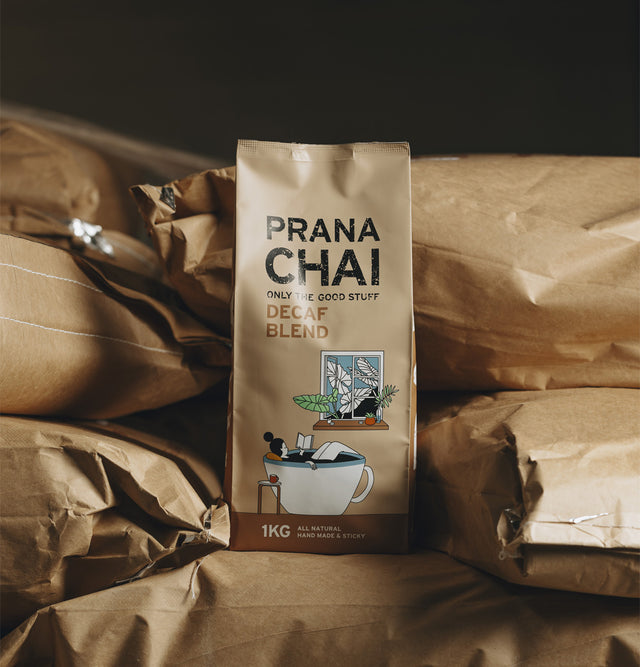
For those wanting to avoid caffeine entirely, our Decaf Blend delivers the same spice benefits with no caffeine.
5. May Support Heart Health
Black tea has been studied extensively for cardiovascular benefits. Regular consumption is associated with:
- Reduced LDL ("bad") cholesterol
- Lower blood pressure
- Improved endothelial function (the health of blood vessel walls)
A 2012 randomised controlled trial published in PLOS ONE found that drinking three cups of black tea daily for 12 weeks significantly reduced LDL cholesterol compared to placebo. The flavonoids in black tea appear to be the primary mechanism.
Cinnamon also has emerging evidence for blood pressure reduction, with a 2020 meta-analysis finding modest but consistent reductions in both systolic and diastolic blood pressure from regular cinnamon consumption.
6. Blood Sugar Regulation
Cinnamon is one of the most studied natural compounds for blood sugar management. Multiple meta-analyses have found that regular cinnamon consumption reduces fasting blood glucose levels in people with type 2 diabetes and pre-diabetes. The mechanism appears to involve improved insulin sensitivity.
Ginger has also shown modest effects on blood glucose in clinical studies. Combined in a daily masala chai habit, these spices may contribute to better metabolic health — particularly when chai replaces sugary drinks in the diet.
Note: masala chai contains a natural sweetener (honey in Prana Chai's blends). Total sugar per serve is modest, but those managing blood sugar should factor this in.
7. Immune Support
Several chai spices have antimicrobial and immune-modulating properties:
- Ginger — shown to have antiviral properties against respiratory viruses in lab studies, and to stimulate immune cell activity
- Cloves — high in eugenol, which has demonstrated antimicrobial activity against a range of pathogens
- Cinnamon — studied for antibacterial properties, particularly against foodborne pathogens
- Black pepper — contains piperine, which enhances the absorption of other nutrients and has shown immunomodulatory effects in research
The combination of these spices in a daily chai habit provides consistent, low-level immune support — which is likely one reason masala chai has been consumed as a health drink across South Asia for centuries.
How to Get the Most Benefit from Chai
The benefits above are associated with regular, daily consumption — not one-off cups. To get the most from your chai habit:
- Brew with whole or coarsely ground spices, not powder — volatile compounds are lost during fine grinding
- Don't boil the milk — high heat degrades some heat-sensitive compounds
- Drink consistently — the benefits of antioxidants and anti-inflammatory compounds accumulate over time
- Use a quality blend — our full range contains real spices with no fillers or artificial additives
Frequently Asked Questions
Is chai tea good for you every day?
Yes — daily masala chai is a well-established health habit in South Asian cultures. The combination of antioxidant-rich black tea and anti-inflammatory spices makes it one of the more beneficial hot drinks you can consume regularly. Caffeine content is low enough (roughly one-third of coffee) that daily consumption is suitable for most people.
Is chai tea good for gut health?
The ginger, cardamom, and black pepper in masala chai all have documented digestive benefits. Ginger in particular is one of the most evidence-backed natural remedies for nausea, bloating, and gastric comfort. The tannins in black tea also have prebiotic properties that may support gut microbiome diversity.
Does chai have more health benefits than green tea?
Green tea is higher in EGCG (a specific catechin antioxidant), but masala chai delivers a broader range of bioactive compounds through its spices. They offer different but overlapping benefits — it's less a question of which is better and more a question of which you enjoy drinking daily.
Is chai tea good for weight loss?
Masala chai is not a weight-loss product, but it can support healthy metabolism. Cinnamon has shown effects on blood sugar regulation and insulin sensitivity. Ginger has modest thermogenic (heat-producing) properties. Replacing high-calorie, high-sugar drinks with masala chai is a meaningful dietary improvement.
Is chai tea safe during pregnancy?
Moderate consumption of masala chai during pregnancy is generally considered safe. The caffeine content per serve is low (roughly 25–35mg, well below the 200mg/day limit typically recommended for pregnant women). Some practitioners advise limiting ginger intake in high amounts during the first trimester — consult your doctor if you have concerns. Our Decaf Blend is a suitable option for those wanting to avoid caffeine entirely.
